Buyers: Watch Out For Sellers Who Hide Things
Posted on May 19, 2015 7:00am PDT
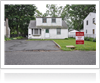
Have you found the house of your dreams? Are you ready to make an offer and plop down that down payment? Not so fast. That dream home could turn into a money pit after you sign on the dotted line if the seller hid some major flaws from you. Here are some of the top things that sellers try to hide during sales transactions:
- Leaks. Whether it be a leaky plumbing fixture, a roof leak, or a leaky water heater – real estate agents and sellers may try to hide the drip to attract a buyer.
- Pest infestations. Mice, cockroaches, termites – you name it, sellers can try to hide it. While the house can look beautiful, there could be an infestation of scorpions, cockroaches, or termites inside the walls, just waiting to come out.
- Emotional defects. In some states sellers aren't required to disclose if a house is haunted, or if someone was murdered there.
- Age of the HVAC system. It's not uncommon for sellers to hide the age of a house's HVAC system. They'll say that they don't know, however, a good home inspector can find that information rather quickly.
Ask the Right Questions
We recommend looking beyond the sellers and the real estate agent to get information on the property. You should find two or three of the neighbors and ask them:
- Why are the sellers moving?
- Are there any construction defects in your development?
- Are you aware of any recent repairs done to the house?
As a buyer, you can learn a lot by looking at the disclosure. If it states the bare minimum, you know that you're dealing with a seller that either doesn't know their home well, or a seller who knows there are issues but isn't disclosing them.
To protect your rights during a real estate purchase, have an experienced real estate attorney oversee the transaction!